Introduction to Personal Care Assistance
Personal care assistance is a critical component of caregiving that focuses on meeting the basic daily needs of individuals, particularly seniors, individuals with disabilities, and those recovering from illness or surgery. This form of care goes beyond standard medical assistance, emphasizing the importance of personal hygiene, mobility, and emotional support. As our population ages, the need for these services grows, providing a vital resource for families seeking to ensure their loved ones receive the necessary care in a comfortable and familiar environment.
Personal care assistance encompasses a wide range of services designed to uphold dignity and enhance the quality of life for those who require extra help. This article delves into the various aspects of personal care assistance, exploring the services offered, the role of home assistants, and how these services can significantly improve the lives of individuals who are often vulnerable and in need of support.
Definition and Importance
Personal care assistance is defined as the support provided to individuals with daily activities and personal needs. This type of care is essential for those who may struggle to perform these tasks independently due to age, health conditions, or disabilities. The importance of personal care assistance lies in its ability to promote independence, respect, and comfort, allowing individuals to maintain their dignity while receiving necessary support.
Moreover, personal care assistance is vital in preventing potential health complications that can arise from neglecting personal hygiene or mobility issues. For instance, individuals who cannot bathe themselves may develop skin infections, while those who cannot move without help may be at risk of developing bedsores. Thus, personal care assistance plays a significant role in fostering overall health and well-being.
Who Can Benefit from Personal Care Assistance?
Several groups of individuals can benefit significantly from personal care assistance. Primarily, seniors who may have reduced mobility or cognitive impairments often require assistance with daily tasks. This demographic often faces challenges that make independent living more difficult, thus making personal care assistance an essential service.
Additionally, individuals with disabilities, whether physical or developmental, often find daily tasks challenging and require support to enhance their independence. Furthermore, people recovering from surgery or serious illnesses may also need personal care assistance during their rehabilitation period. By providing tailored support, personal care assistants can help these individuals regain their strength and return to their daily routines more swiftly and safely.
Services Included in Personal Care Assistance
Bed Baths
One of the fundamental services included in personal care assistance is providing bed baths. For individuals who are bedridden or have limited mobility, a bed bath is an effective way to maintain hygiene without the need for a full shower. Personal care assistants are trained to perform bed baths safely and comfortably, ensuring that the individual feels clean and refreshed while also maintaining their dignity.
Bed baths can also serve as a moment of connection between the caregiver and the individual, providing an opportunity for conversation and emotional support. This personal interaction can make a significant difference in the individual’s mental health and overall satisfaction with their care.
Mobility Assistance
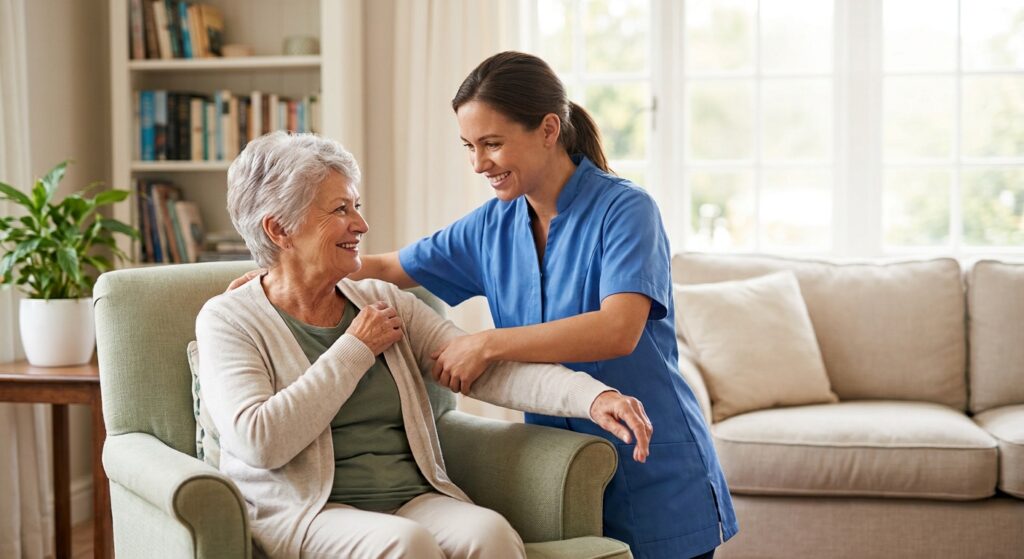
Mobility assistance is another crucial aspect of personal care. Many seniors and individuals with disabilities require help moving around their homes or between locations, such as from a bed to a chair or from one room to another. Personal care assistants are trained to provide this support safely, reducing the risk of falls and injuries.
By facilitating mobility, personal care assistants not only help individuals with their physical needs but also promote their independence. When individuals can move more freely and safely, it enhances their ability to engage with their environment and participate in social activities, which is essential for mental well-being.
Bathroom Assistance
Bathroom assistance is often one of the more sensitive areas of personal care. Many individuals find it challenging to use the bathroom independently due to mobility issues or fear of falling. Personal care assistants provide the necessary support to ensure that these individuals can maintain their hygiene in a safe and dignified manner.
By assisting with bathroom needs, personal care assistants help to alleviate anxiety and stress related to these personal activities. They ensure that individuals have the necessary assistance to use the facilities safely, which can significantly enhance their quality of life.
Treatment of Bedsores
Bedsores, or pressure ulcers, are a common concern for individuals who are bedridden or have limited mobility. Personal care assistants are trained to recognize the early signs of bedsores and take preventive measures, such as repositioning the individual regularly and ensuring proper skin care.
By addressing this issue promptly, personal care assistants can help prevent the development of painful bedsores, which can lead to severe health complications. The treatment and prevention of bedsores are essential components of personal care assistance, as they directly impact the individual’s comfort and overall health.
The Role of Home Assistants in Personal Care
Training and Qualifications
Home assistants play a pivotal role in the delivery of personal care assistance. These professionals undergo extensive training to equip them with the necessary skills and knowledge to provide high-quality care. Training programs typically cover various aspects of personal care, including safety protocols, hygiene practices, and effective communication techniques.
In addition to technical training, home assistants often develop interpersonal skills that enable them to connect with individuals they care for. This emotional intelligence is crucial, as many clients may be dealing with feelings of vulnerability or frustration over their circumstances. A compassionate and understanding home assistant can make a significant difference in a client’s experience and overall well-being.
Personalized Care Plans
One of the defining features of personal care assistance is the development of personalized care plans tailored to each individual’s unique needs. These plans take into account the individual’s physical capabilities, personal preferences, and emotional requirements. Home assistants work closely with clients and their families to create a comprehensive care plan that encompasses all aspects of daily living.
By focusing on personalized care, home assistants can provide support that resonates with the individual, enhancing their overall satisfaction with the care process. This tailored approach ensures that individuals receive the right level of assistance at the right time, making their daily routines smoother and more manageable.
How Personal Care Assistance Enhances Quality of Life
Emotional and Psychological Benefits
The psychological and emotional benefits of personal care assistance cannot be understated. Many individuals who receive personal care assistance may struggle with feelings of isolation, depression, or anxiety. Having a dedicated caregiver can provide crucial social interaction, fostering a sense of companionship and support.
Moreover, personal care assistants often become trusted confidants, providing a safe space for individuals to express their feelings and concerns. This emotional support plays a significant role in improving the mental health of individuals who may feel neglected or alone, ultimately leading to better overall health outcomes.
Physical Health Improvements
In addition to emotional benefits, personal care assistance can lead to significant physical health improvements. Regular support with hygiene, mobility, and nutrition helps prevent health issues that can arise from neglect or lack of assistance. For instance, maintaining proper hygiene reduces the risk of infections, while regular mobility support can prevent complications related to prolonged immobility, such as blood clots or muscle atrophy.
Furthermore, having a personal care assistant can encourage individuals to adhere to any prescribed rehabilitation or exercise programs, as they provide motivation and support. This can lead to improved physical health, increased mobility, and a more active lifestyle, which is essential for maintaining independence and quality of life.
Choosing the Right Personal Care Assistance
Evaluating Needs and Preferences
Choosing the right personal care assistance involves a thorough evaluation of the individual’s needs and preferences. Families must consider various factors, including the specific types of assistance required, the individual’s personality, and any medical conditions that may affect their care. A comprehensive assessment can help identify the level of care needed and the ideal match for a personal care assistant.
It is also essential to involve the individual receiving care in this decision-making process whenever possible. Ensuring that their preferences and comfort levels are taken into account will lead to better satisfaction with the care provided and can foster a more positive relationship between the individual and their caregiver.
Finding Qualified Care Providers
Finding qualified care providers is crucial to ensuring that the individual receives the best possible personal care assistance. Families should conduct thorough research, including checking credentials, training, and references. Many caregiving agencies offer screening processes for their staff, which can provide an additional layer of assurance regarding the quality of care provided.
Families can also consider seeking recommendations from healthcare professionals or local support groups, as they often have insights into reputable caregivers in the community. By taking the time to find the right provider, families can ensure that their loved ones receive compassionate and competent care tailored to their specific needs.
Conclusion
Recap of Personal Care Assistance Benefits
In conclusion, personal care assistance is an invaluable resource for individuals who require support with daily activities, helping to maintain their dignity and independence. The various services included, such as mobility assistance, bathroom support, and the prevention and treatment of bedsores, play a crucial role in enhancing the quality of life for those in need. Furthermore, the emotional and psychological benefits derived from the companionship and support of personal care assistants are significant, offering both comfort and security.
Call to Action for Families and Caregivers
As the demand for personal care assistance continues to grow, families and caregivers must recognize the importance of these services in improving the lives of their loved ones. Investing the time and effort to find the right personal care assistance can lead to better outcomes, both physically and emotionally, for individuals in need. Whether you are a family member seeking help for a loved one or a healthcare professional guiding clients, understanding the nuances of personal care assistance is essential for fostering independence, health, and happiness.
FAQs
What types of services are included in personal care assistance?
Personal care assistance includes services like bathing, grooming, dressing, mobility assistance, bathroom help, and treatment for bedsores. Each service is tailored to meet the specific needs of the individual receiving care.
How do I choose the right personal care assistant?
Choosing a personal care assistant involves evaluating the specific needs of the individual, considering their personality and preferences, and conducting thorough research on potential caregivers. Recommendations from healthcare providers can also be helpful in finding qualified assistants.
Can personal care assistants help with medical needs?
While personal care assistants focus primarily on daily living activities, they can often assist with basic health monitoring, like checking vitals or reminding individuals to take medications. However, they are not typically licensed to perform medical treatments.
Are personal care assistants trained professionals?
Yes, personal care assistants undergo training that equips them with the skills to provide quality care. Many have certifications or experience in caregiving, ensuring they are prepared to meet the needs of those they assist.
How can personal care assistance improve mental health?
Personal care assistance can improve mental health by providing companionship, reducing feelings of isolation, and offering emotional support. A caring and understanding presence can significantly enhance the overall well-being of individuals receiving care.
Before following any advise/guide or before starting any nutritional plan, it’s essential to consult your doctor or dietitian. They can provide personalized health and/or dietary recommendations tailored to your specific needs and health conditions.
Would you like guidance on addressing any of these challenges? Please contact Curantis today for help. Contact Gary on 079 511 0100 or contact us from our website, www.curantissa.co.za.
Absolutely. Here’s how you can reference that image in your blog post in a respectful and attribution-compliant way:
Image Credit: AI Generated for Blog purposes.